
Learn How to Donate Toys And Spread the Joy
Now that Christmas is gone, it is time to clean the house and declutter. With spring right around the corner, you have to need to clean up all the added junk that came in post the Thanksgiving and Christmas celebration.
If you have children, you will know how difficult it often gets to clean up the house. Things get worse when there are more popular toys for kids than kids, which is how it usually happens. Since Christmas is the time that children get new toys from relatives and friends, they need to understand that they should donate and share their old toys with the kids who cannot enjoy them. Numerous charities and orphanages take in old toys, and it is an excellent way to declutter the house and make space for new toys.
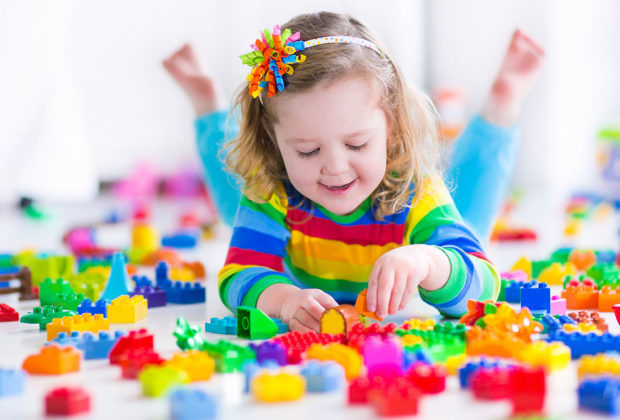
While kids can sometimes be possessive about their toys and trikes, they need to understand that they should share. Christmas is the time for giving and by sharing their best trikes with kids who hardly have any toys to play with, they spread happiness. A little girl in an orphanage would be happy to receive the indoor climbing toy for toddlers and play with it.
If you are planning on donating your children’s toys to different charities, here is how you should go about it.
- Ask for their opinion: Start a conversation and ask your kids where they would want to donate their best toddler marble run and why. Once they have decided on a place, allow the kids to decide which toys they want to give and which ones they want to keep for themselves. Each kid has a set of toys that are precious to them, so let them make a choice and respect their opinion.
- Help them pick up charities and donations: When you ask your children to pick the charities and donations they want to give their toys to, they learn about giving and also experience the joy of sharing. If they choose a charity for babies, make them realize that the best pedal cars for kids would be a better choice than their collection of guns.
- Set a Target: It is evident that children would be attached to their toys and hence you need to set a goal for them. Do not make the process harder than it already is. To get them to pick toys, tell them for every two toys they keep, they have to donate the next one to charity. In this way, they will get the privilege to decide whether they want to give toddler sports toys or stuffed animal clothes.
- Reward the kids for their decisions: During the process continue praising them and telling them how proud you are of them.
These simple steps will help you donate toys and also clean your house. Spread the joy all year round by donating toys and clothes to charities for children. The act helps children appreciate their life and also experience the joy of giving.
Why children Become So Attached to Toys
Children become attached to their toys for a variety of reasons, and it is a normal part of their development. Here are some of the main reasons why children become so attached to their toys:
Comfort and security: Toys can provide a sense of comfort and security for children, especially during times of stress or anxiety. Having a familiar toy nearby can help them feel more relaxed and safe.
Imagination and creativity: Toys allow children to use their imagination and creativity to create their own stories and adventures. They can become attached to their toys because they see them as important characters in their imaginative play.
Sense of ownership: Children may become attached to their toys because they feel a sense of ownership over them. They may see their toys as their own personal possessions and become upset when they are taken away.
Emotional connection: Children may form emotional connections with their toys, especially if they have had them for a long time or if the toy was given to them by someone special. The toy may hold sentimental value for the child and remind them of happy memories.
Physical comfort: Some children may become attached to toys because they find them physically comforting. For example, a child may become attached to a soft and cuddly stuffed animal because it provides a sense of comfort when they are tired or upset.
In summary, children become attached to their toys for a variety of reasons related to their development, imagination, sense of ownership, emotional connection, and physical comfort. It is a natural and normal part of growing up, and parents should support their child’s attachment to their toys while also helping them learn to share and let go when necessary.